If you just walk along Bulvarno-Kudryavskaya street (former Vorovsky), then this building is unlikely to attract attention: a typical building of the Brezhnev era with everything, what is due to her is a faceless form, awkward finish. Although this does not negate the importance of, what's inside the building - Institute of Orthopedics. But it's not about the Institute, but still about the building.
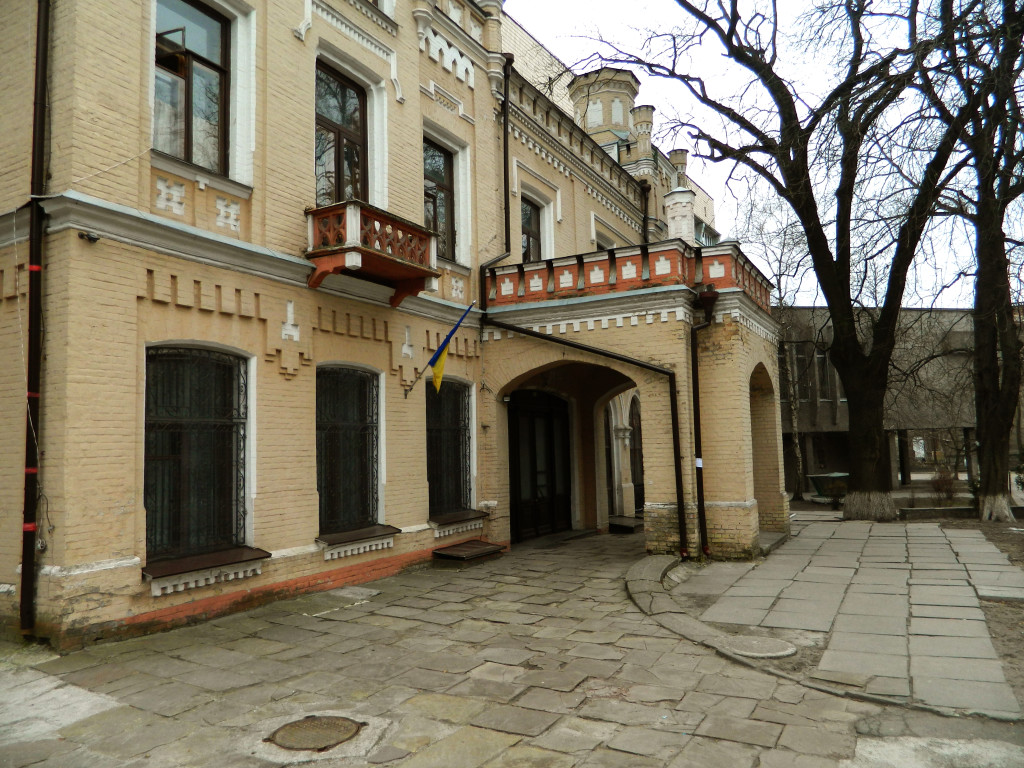
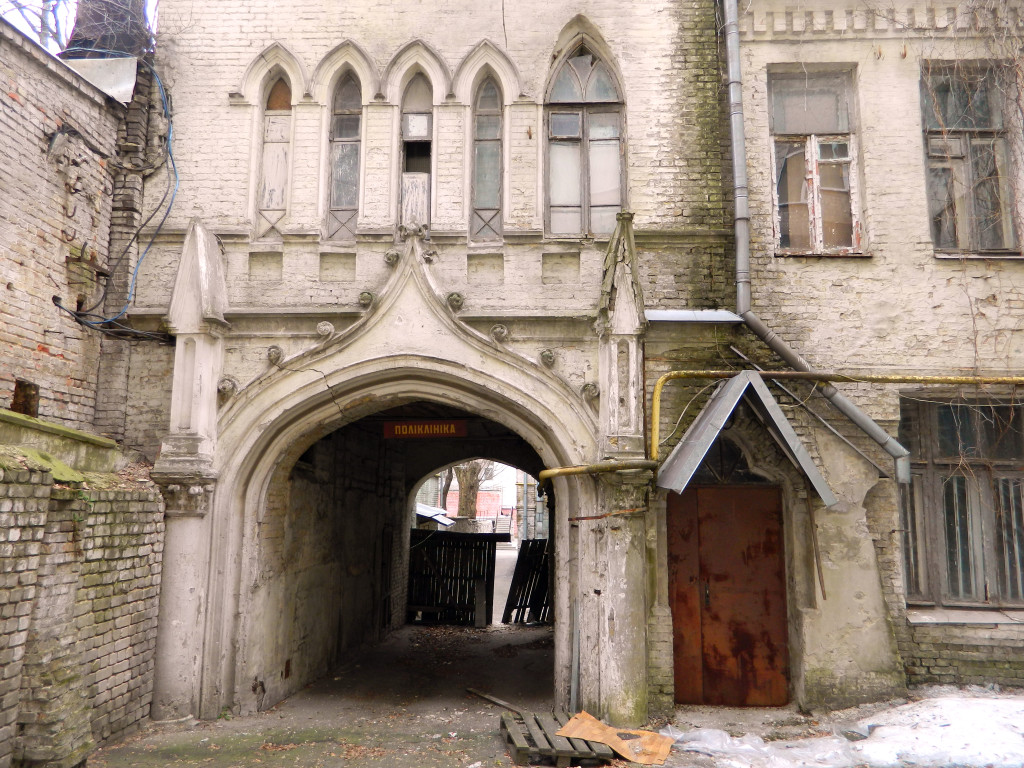
So here, inconspicuous from the street, and if it is sincere, a completely ugly building surprises, if you enter the courtyard. Surprises, Firstly, entrance, which does not match at all with the main building.
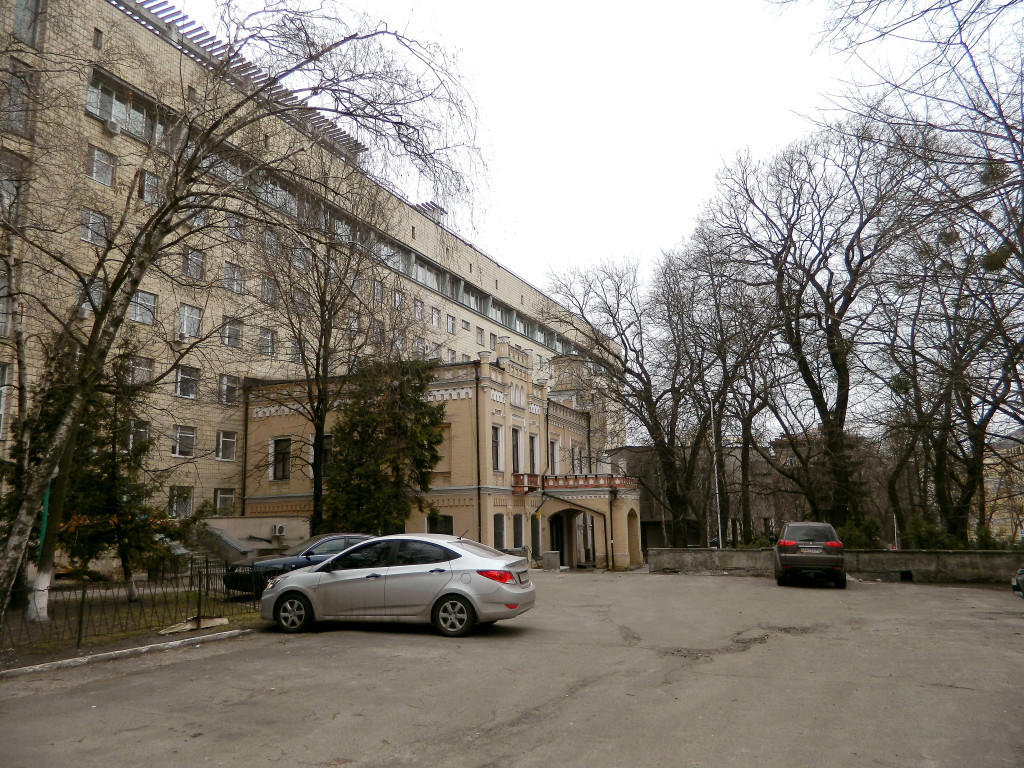
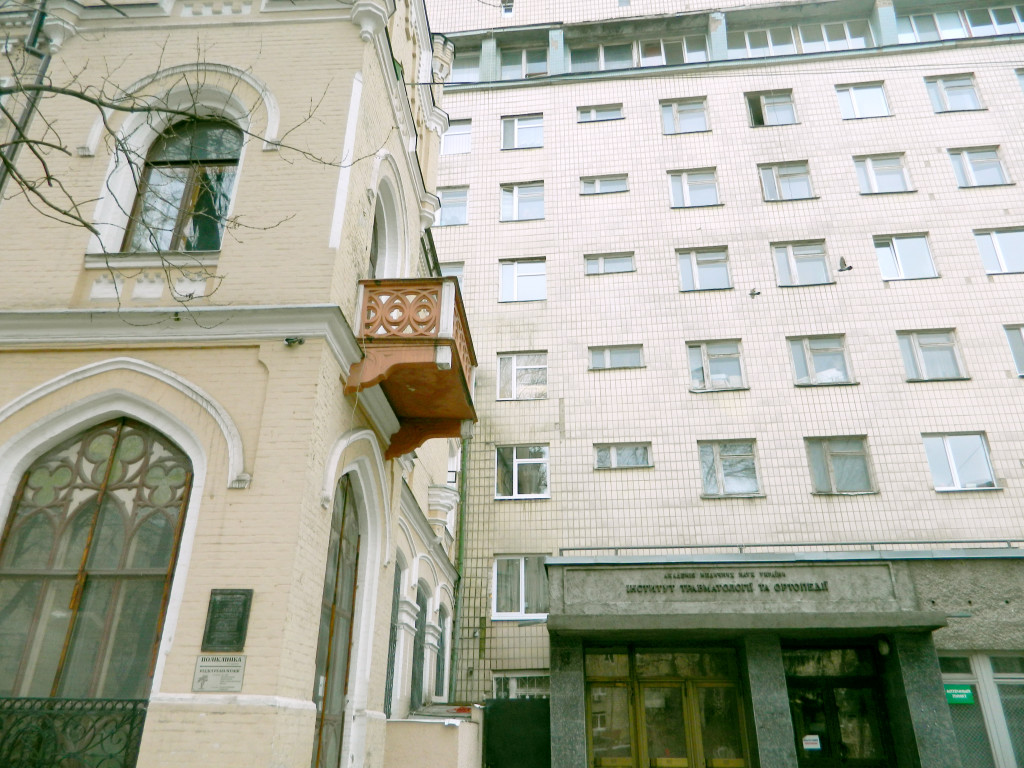
This incompatible combination is explained as follows: at the time of the bygone empire, it was the estate of a fairly well-known gentleman named Rudolf Steingel (from the Russified Germans). This venerable gentleman is known for many deeds: eg, in 31 year old (and according to some sources - even at an even younger age) him, railway engineer by education, entrusted to build sufficiently large sections of the railway - Moscow-Kursk and Baltic (remember, that at that time the construction of the railway was considered a matter of national importance, since there were practically no roads in the empire, and economic development without hardware, if possible, it is extremely difficult).
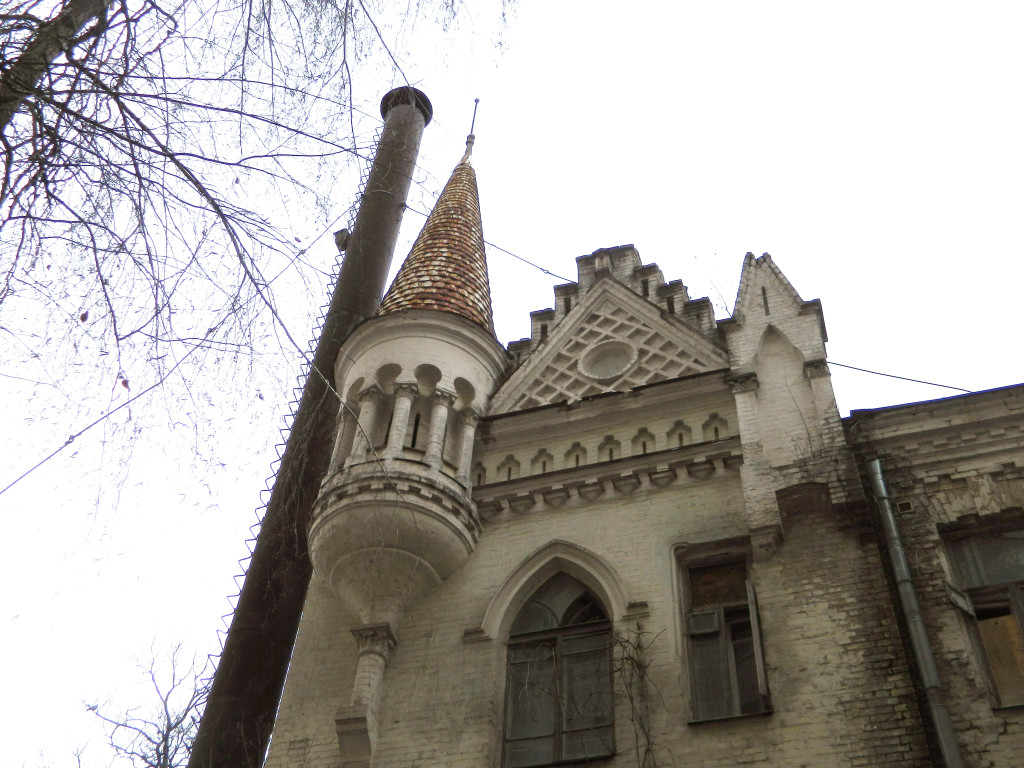
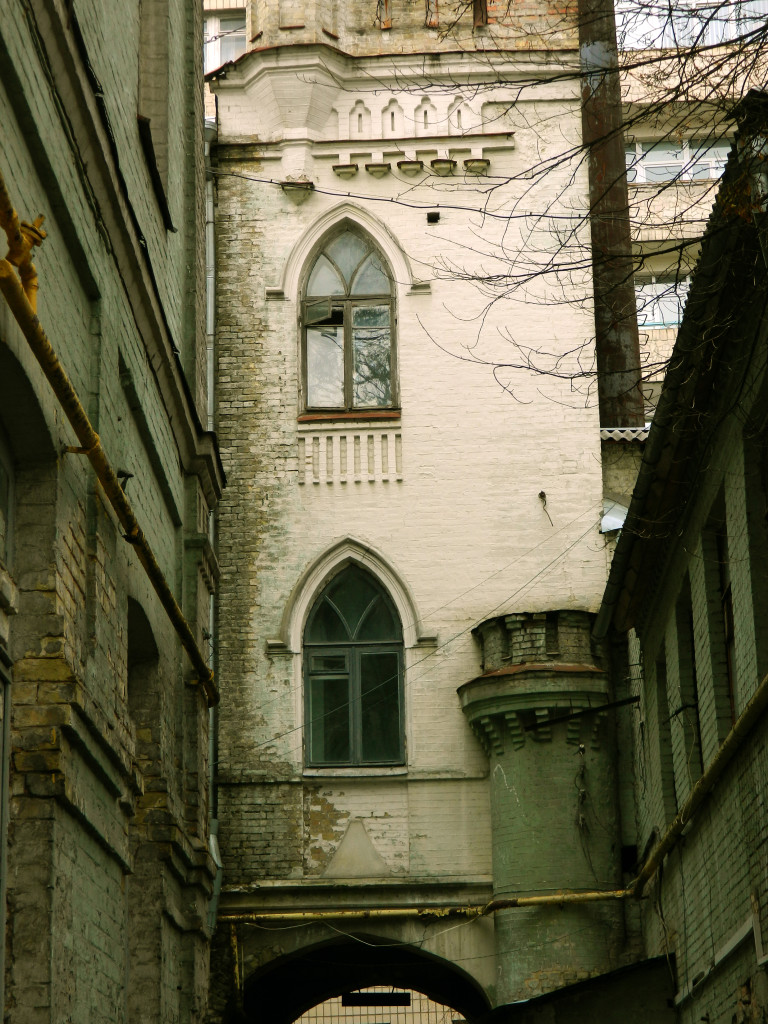
Moving away from railroad affairs, the rich Rudolf Vasilievich (whom contemporaries called "the little railroad king") bought an estate in Kiev and, being at least Russified, but still a German, rebuilt it in the neo-gothic style. Moreover, started atypical for our latitudes - knightly — custom: when the owner was at home, the family flag was raised on the tower.
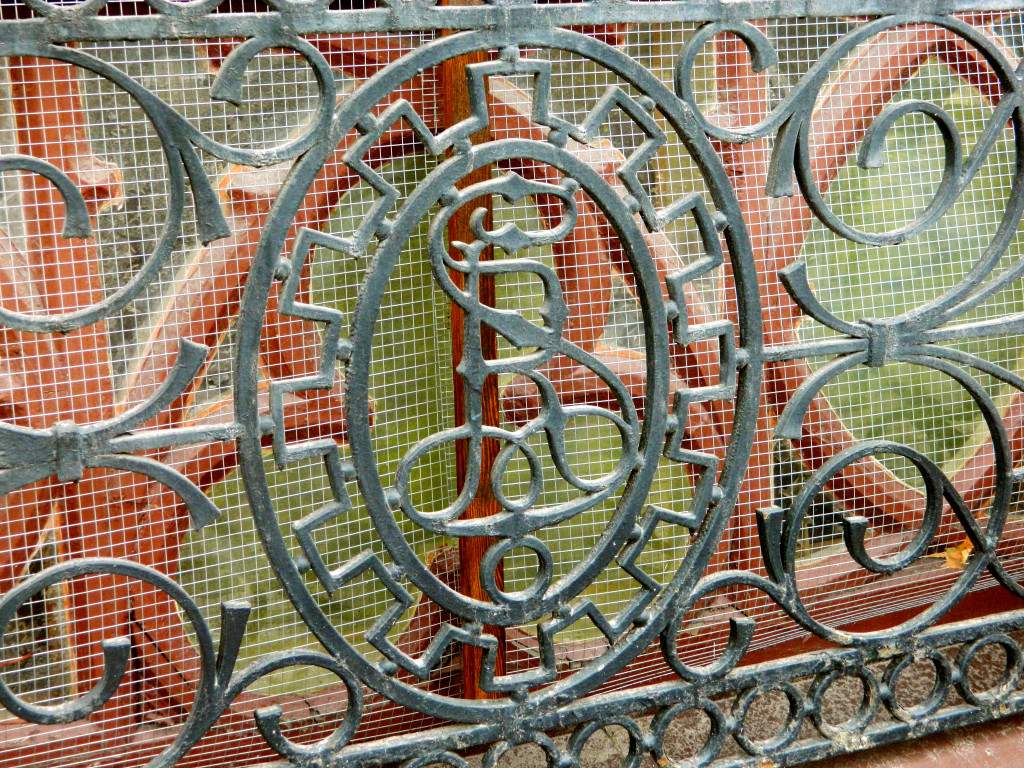
And if we can only imagine the process of raising the flag now, then the monogram of the baron and his wife were preserved to this day - RS (Rudolf Steingel):
I MS (Maria Steingel):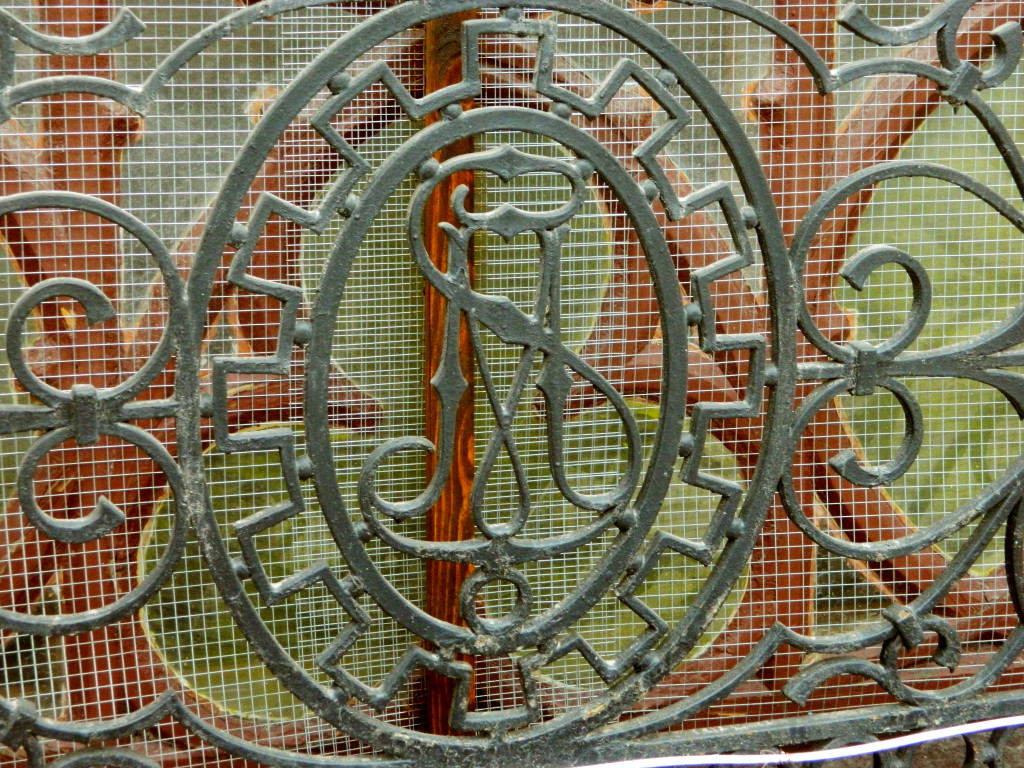
But for that, to present, how carriages drove up to the porch-terrace along the arched entrance, even a rich imagination is not needed.
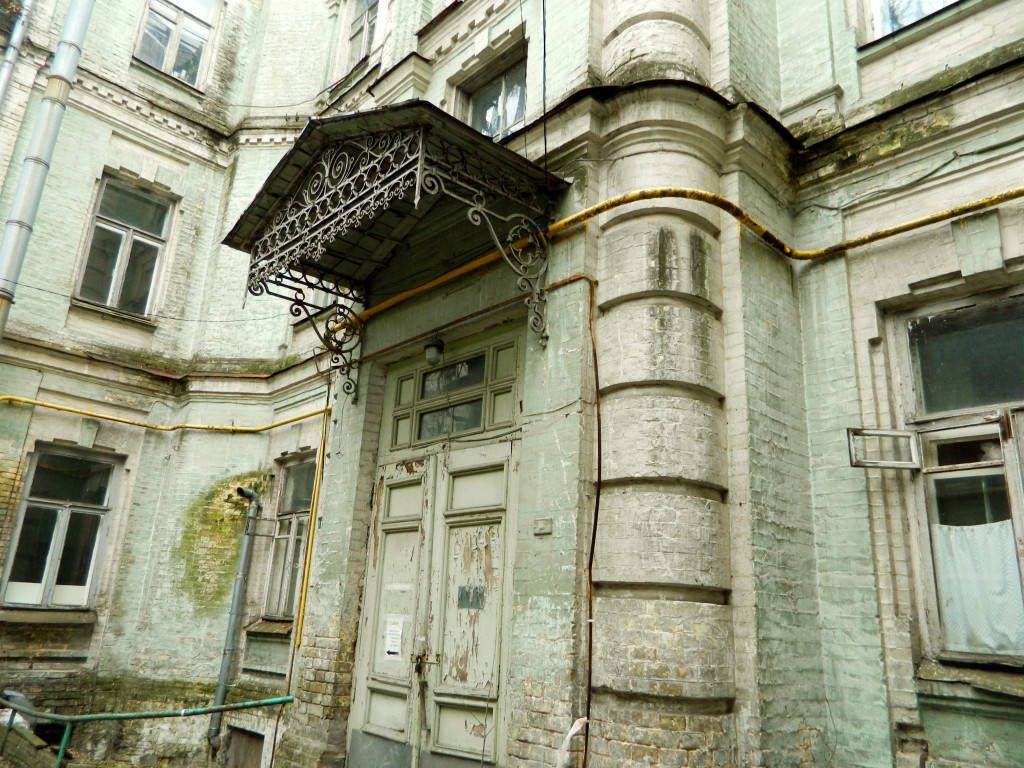
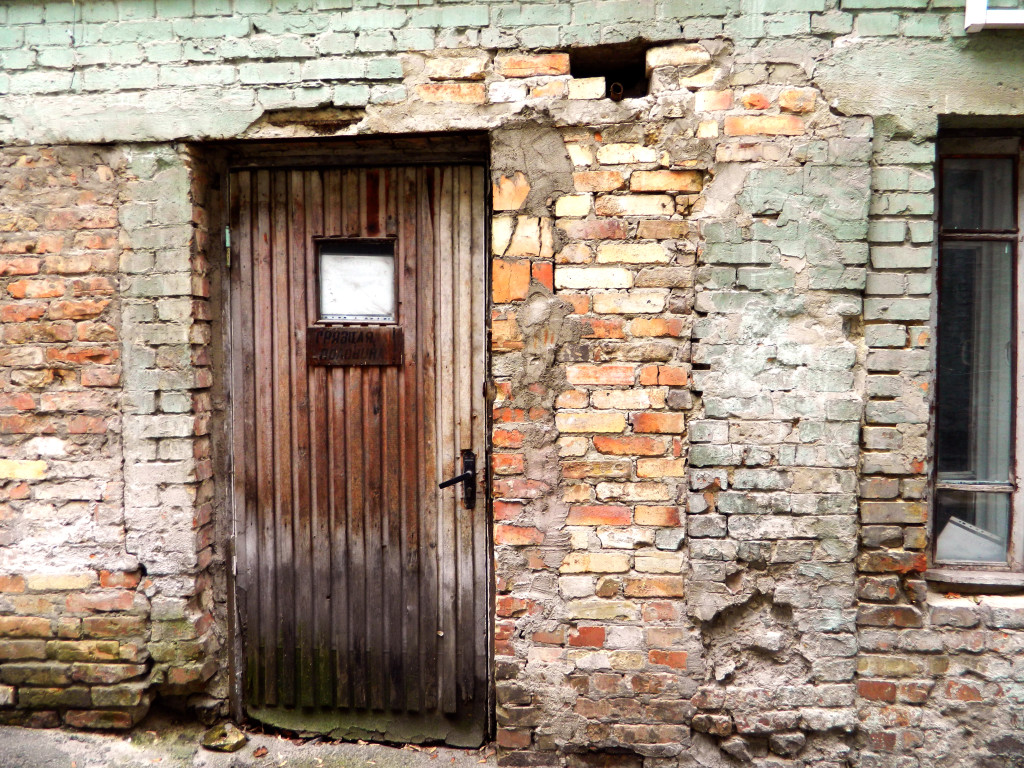
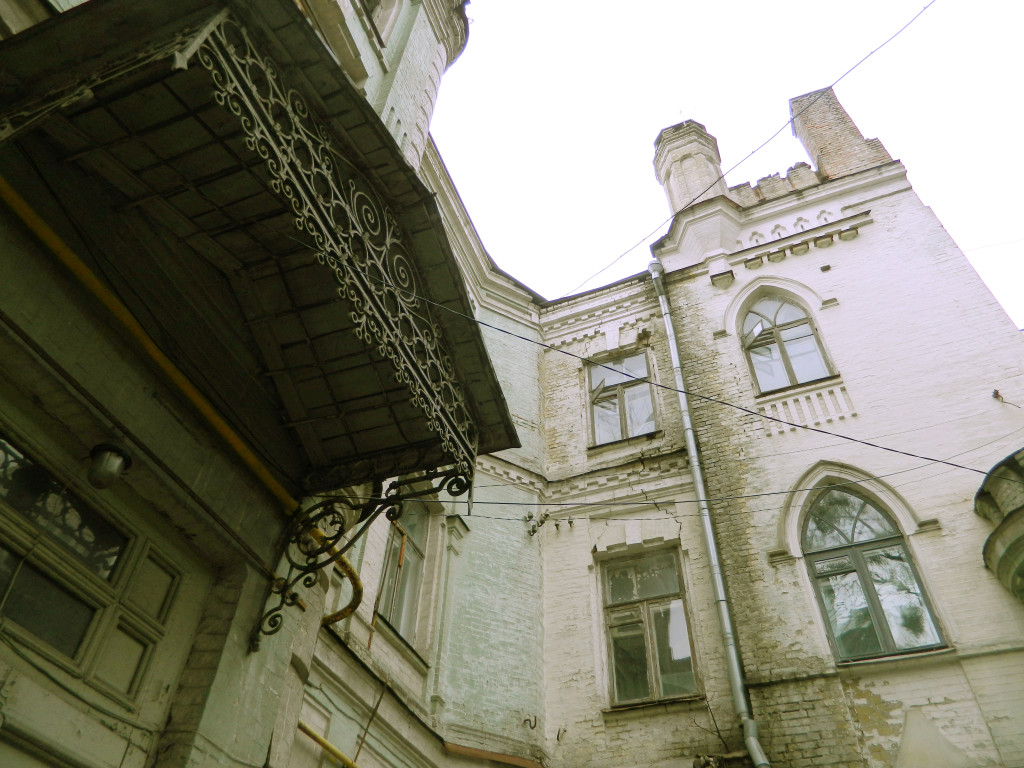
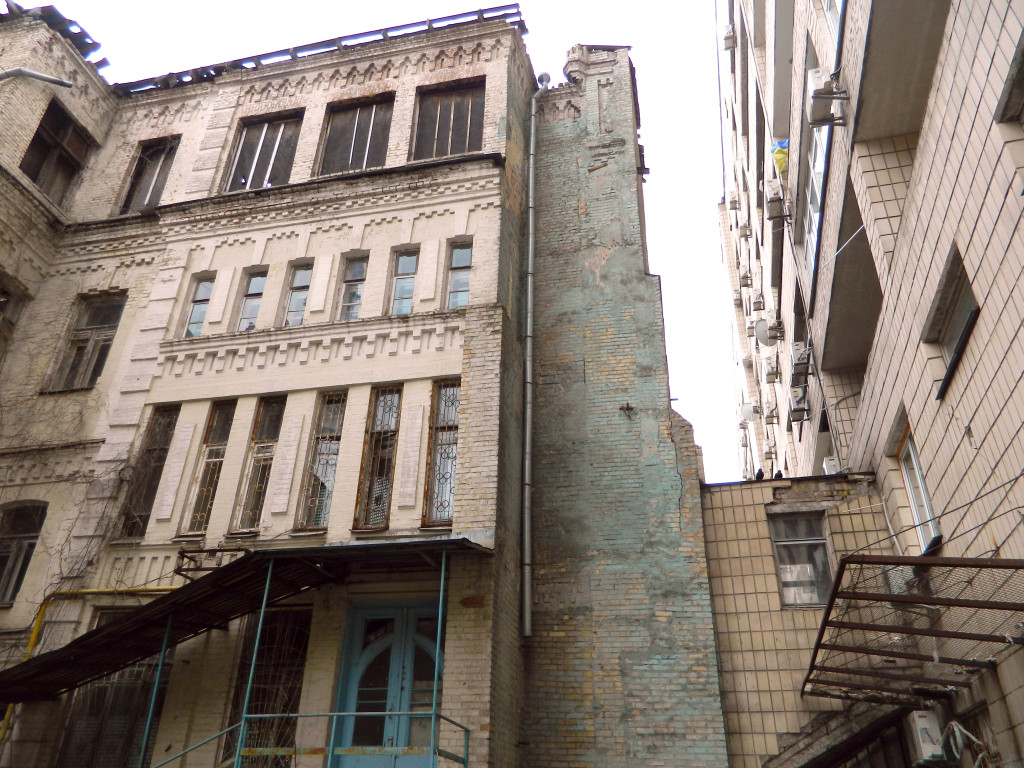
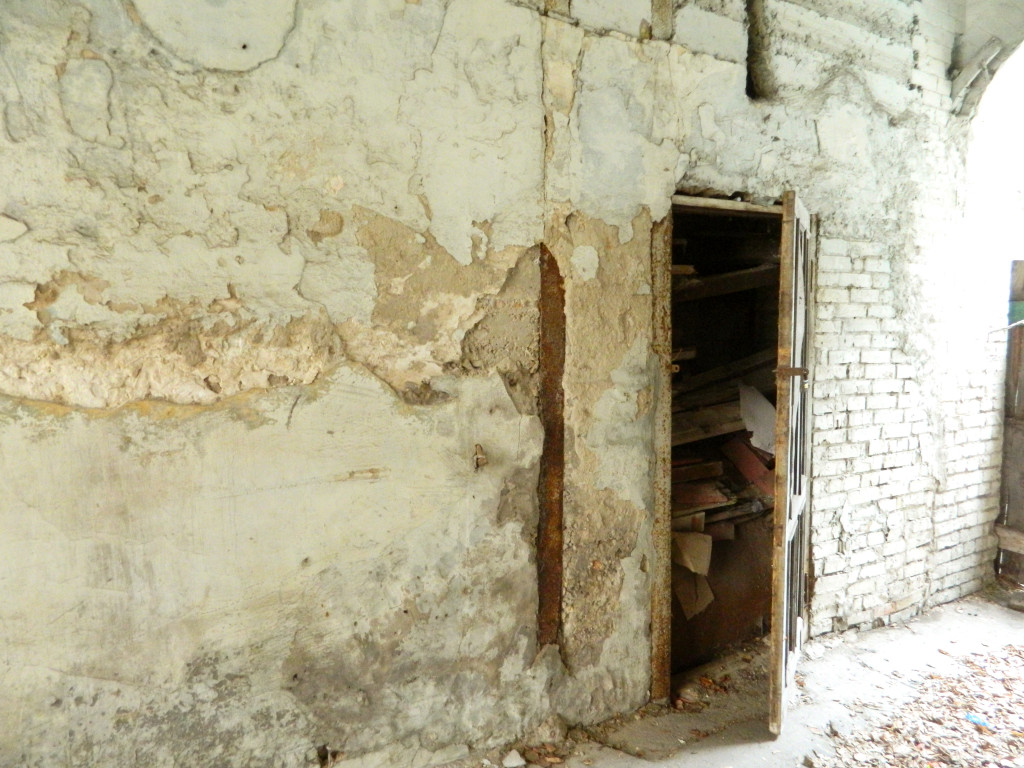
However, the picture becomes much less idyllic., when you come to the back of the building. There is nothing to admire here, however, there is something to be surprised: So, if in front we see a preserved facade, to which the modern Institute of Orthopedics seems to be "stuck", then bypassing the building, we find the second part of the estate. Which, for reasons only they know, the architects of the Brezhnev era simply "cut" in half. And this part is in a much more deplorable state..
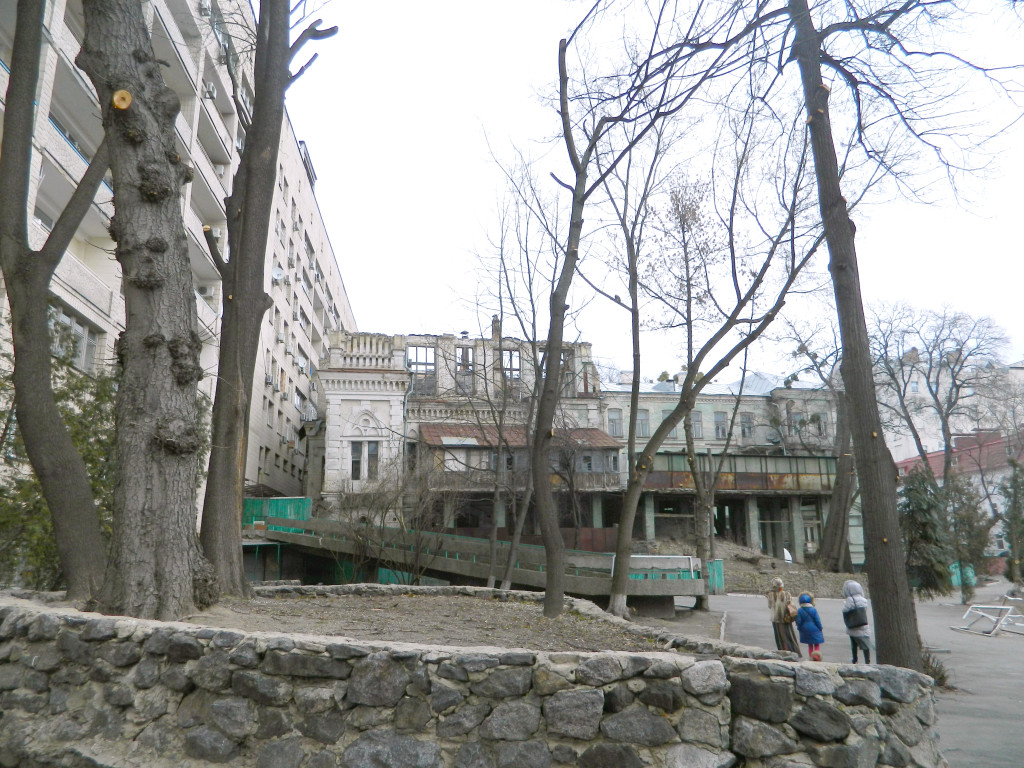
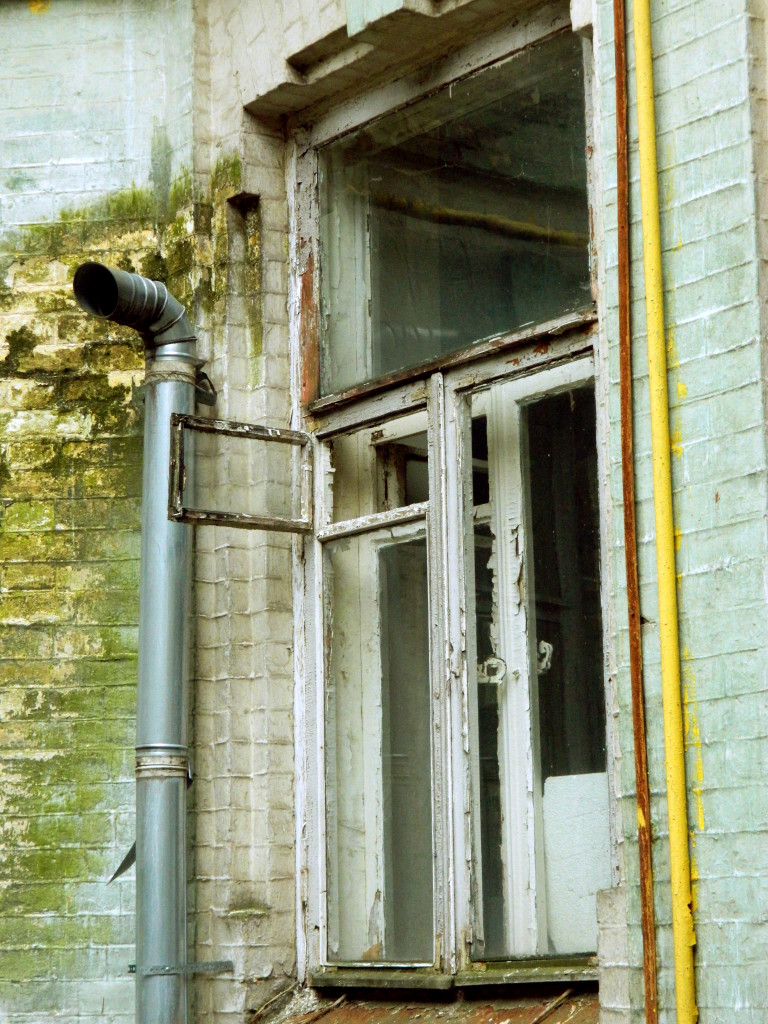
Unfortunately, to the present day multi-room house, servants' quarters, stables, crew and other outbuildings came in this form:
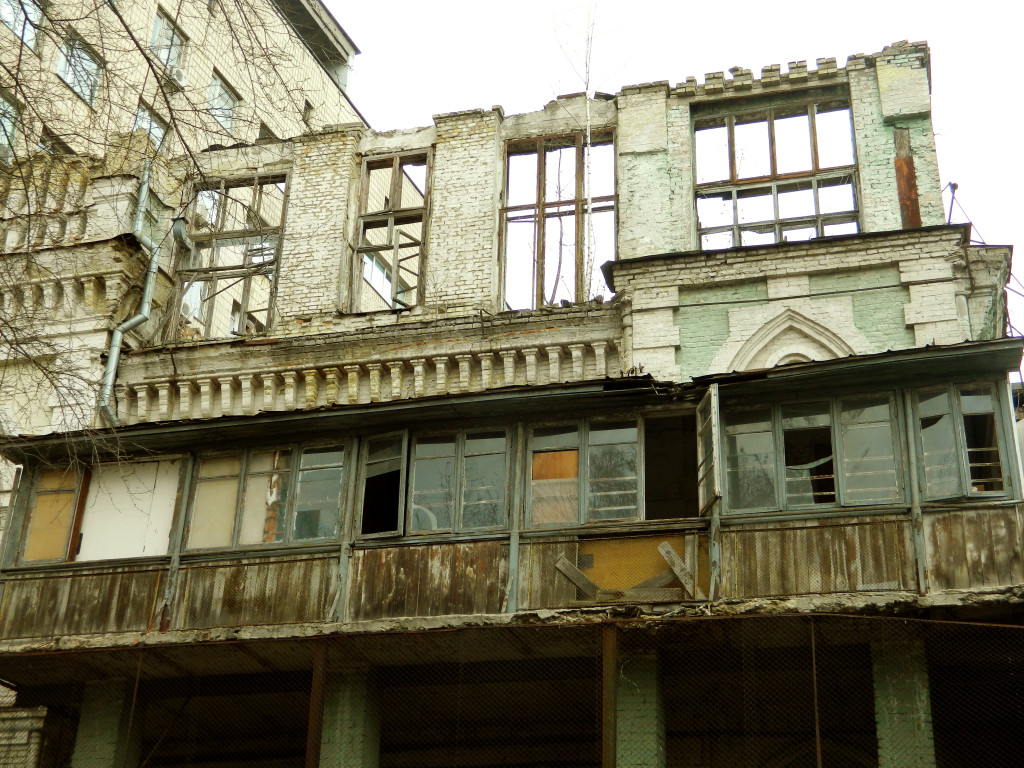
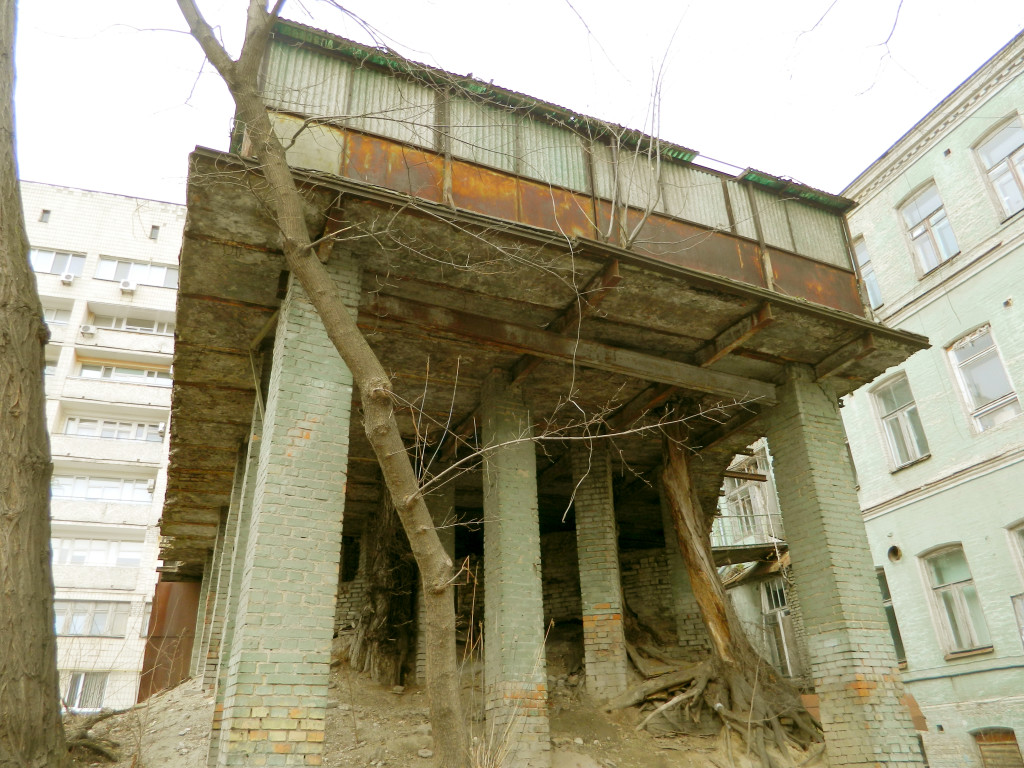
And only a very rich imagination, coupled with photographs, which survived, Fortunately, enough, help to see that, what's left, romantic castle, once owned by Rudolf Vasilievich Steingel — "The little railroad king", winemaker, patron, a real German knight, who sincerely loved their Ukrainian homeland.
With inspiration,
Your SvitHome

