A real artist is a poor artist. So here, exactly not the richest American bohemia, starting to move to the factory districts of Manhattan in the 40s and 60s of the last century, became the ancestor of the Loft style. The word loft literally translated from English means — attic. And if in a nutshell, then this style is about attics, abandoned industrial buildings and brick factories, which, one fine moment, radically changed their purpose and began to be used as living spaces.
The real "hard" Loft is a real factory with huge windows and high ceilings. A little bit later, this harsh style began to soften, or rather, imitated in a softer manner by designers around the world, and grew into a separate ultra-popular direction of interior design.


Important: The loft is worth recreating, even if not in a real industrial attic or factory, but at least in a space with high ceilings and large windows.
The first loft-style spaces were set up in lower Manhattan at the dawn of the industrial era. All light industry in Manhattan was located directly in the city., or in the already mentioned lower Manhattan. And while horse carriages were used to transport the products of this very industry., everything was amazing, and the narrow streets of the city coped wonderfully with the load. But from that moment, when humanity got on iron horses, transportation and movement of goods along the unadapted streets of the city became absolutely impossible. And industrialists were forced to leave their factories and factories to their new owners. AND, as the saying goes: "There is a silver lining". Like this, resourceful American creative elite, without knowing it, gave birth to a new direction of design. Why artists? Everything is extremely simple: they, like no one else, needed large spaces, to provide yourself with great scope and scope for creativity and the organization of its exhibitions.
And like this, after some half a century, architects around the world not only use ready-made, but disused factory objects, but deliberately create living quarters, faithfully replicating old industrial buildings in Manhattan.

And finally, so that you definitely distinguish a loft from its pathetic likeness, behold 10 its characteristic differences:
1. Space:
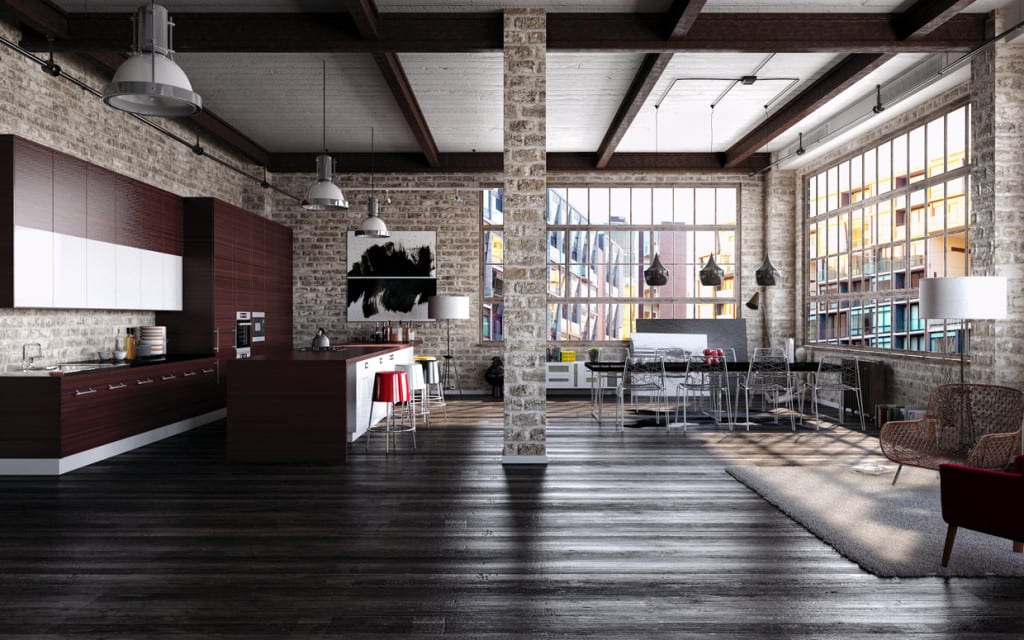
The loft is characterized by an open flexible space with a minimum number of internal walls and partitions.. If we are talking about a truly traditional loft, then the square of the space should not be less 150 sq.m.

You will also like: And in color 2017 year becomes ....
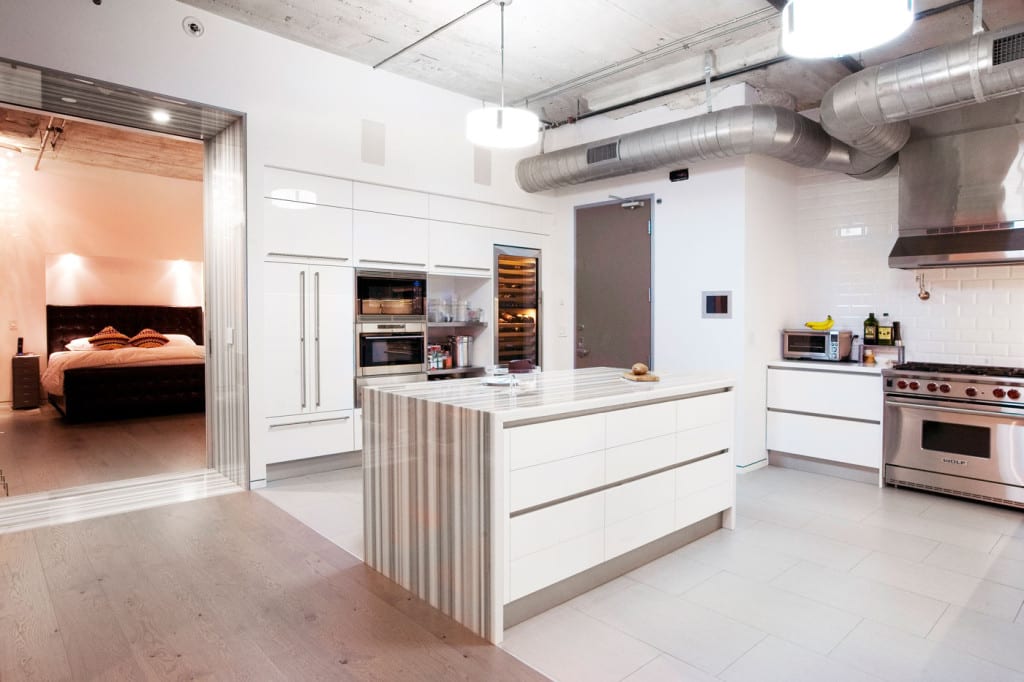
2. Interior decoration minimal. Loft is raw wall surfaces, bare ventilation ducts and sprinkler lines. It's all raw splendor — a tribute to the origins of the industrial loft.




3. Ceilings:
In a word - tall. Loft classic - from 3 meters in height.


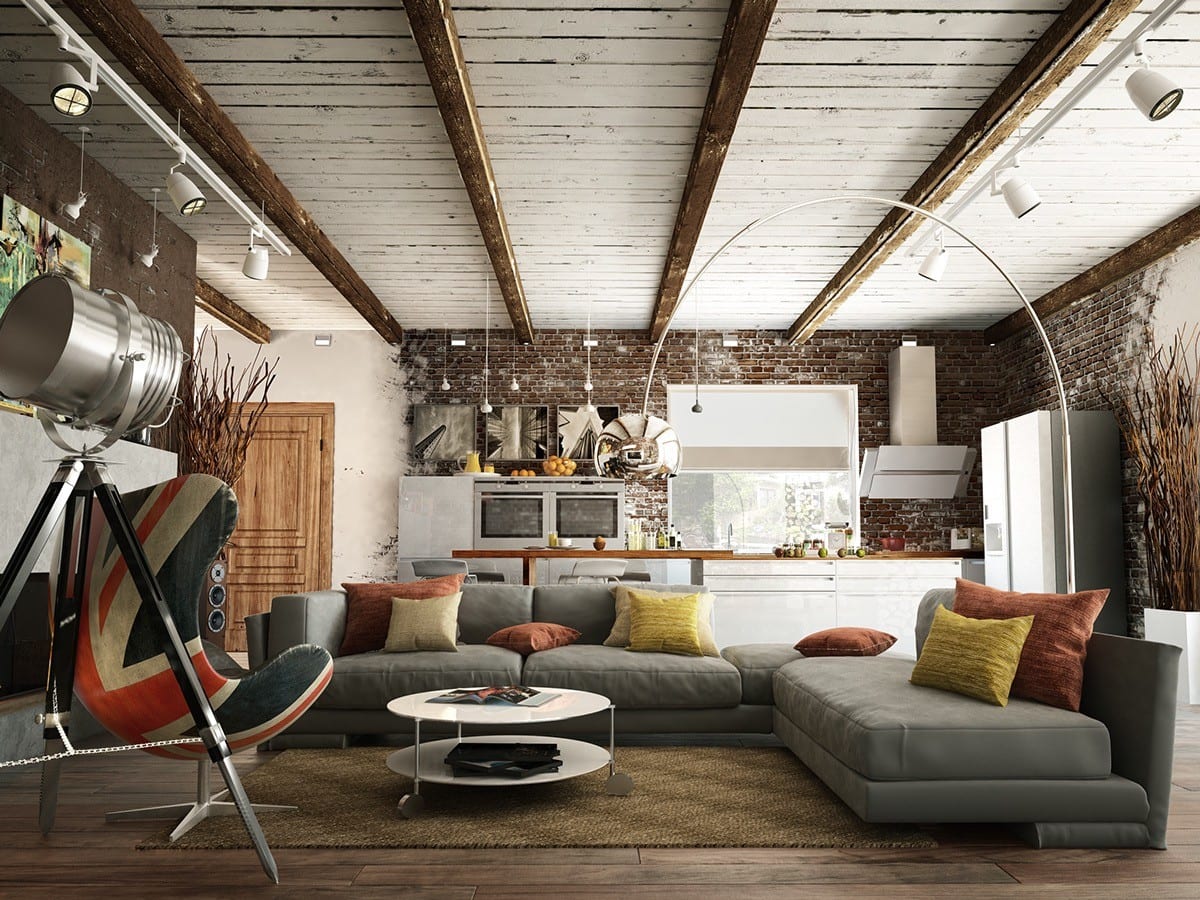
4. Materials (edit):
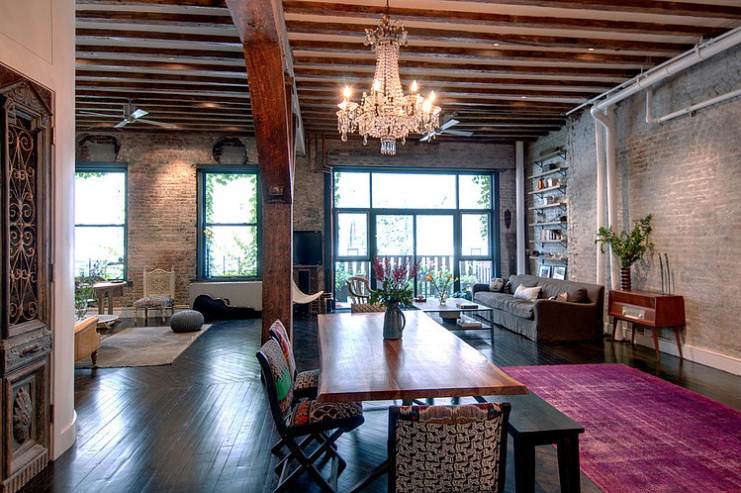
Originally authentic materials from the 19th century, concrete or wooden floors; bare brick, rough or just white plaster for walls; wooden plank floor or solid wood, although concrete screed or tiles with imitation natural stone will also work for a loft floor.









5. Giant windows:
One of the must haves of a classic Manhattan loft — big windows. And the reason is simple: all industrial buildings, in which the loft was subsequently born, were built before the invention of electricity. Which means, needed good natural light and large light sources.
6. Furniture:
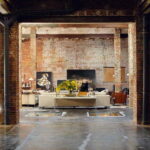
Attracts a lot of attention, is often the center of the composition. Feature - large sofas, armchairs and just a lot of seats! Of the characteristic: mobile furniture on wheels, open shelving and storage space - as one of the ways of any kind of space zoning.









7. Electrician:
Open wiring. AND, by the way, for information: making it artificially is not at all cheaper, than the traditional. And living with natural bare wiring is not safe.
8. Style lines:
No curls and curls. Everything is at attention.
9. Decor
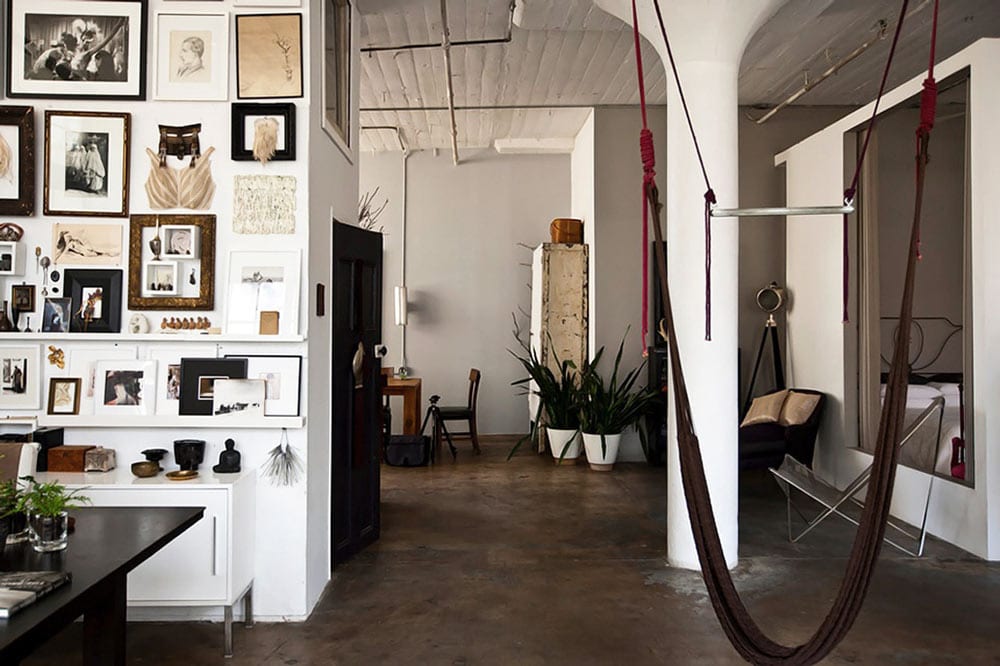
Not many, but definitely! Of the typical loft: graffiti on the walls, sculptures, iron plates, road signs, generally, all, which reminds us of big city life, in which he was born. Well, of course, paintings, which, by the way, it has become fashionable not to hang on the walls, and lean on them.










10. Contrasts of the interior
Bold mixes of vintage furniture and decor with completely modern gadgets and furnishings.
You will also like: Loft and wood by Top Design Studio
With inspiration,
Your SvitHome 🙂
SOURCES OF PHOTOS: decoist.com (by Igor Martin and Olga Novikova from MARTINarchitects Project), icanhasgif.com, Address.ua, rebloggy.com, atmospherichomedesigns.com, idesignarch.com, patio.jennfur.com, home-designing.com, Crowknow.co, trendir.com, ubcisa.com, oraclefox.com, onekindesign.com, prostoloca.ru

Modern in Podil

Illuminated mirrors — manufacturer assortment in Kiev — Comfort Market store

Black Gold by Orb

Офис Orb by Orb